

Ordinary Miracles
Ruth’s testimony

Read Ruth 2
The first time I laid eyes on Boaz, I was hot and sweaty, having worked the bulk of the morning, toiling behind the harvesters in his field. I mostly hoped he wouldn’t notice me, that I could just put my head down and keep working that field.
I’d chosen this field by chance, out of our need and desperation. I had clung to Naomi, my mother-in-law, when she walked the long road to Bethlehem in Judah. On that road, she tried to send my sister-in-law and me back home. Orpah had turned back, but I refused. I know that Orpah didn’t understand the math behind why I had disobeyed Naomi’s urgent and heartfelt instructions to save ourselves. I couldn’t really explain it either. It wasn’t a logical choice – it was something that arose from my gut or even my heart. After I made my vow never to leave her side on that day, Naomi didn’t say another word to me, she just turned and set out on the road, leaving me to race to catch up with her. Even so, I could see how her shoulders relaxed when we set foot in the borders of Bethlehem, and she saw a few familiar faces, and was embraced by friends from long ago who hardly recognized her.

Photo by Immo Wegmann on Unsplash
Even though I had chosen this path, this life, as soon as we arrived in Naomi’s home country, I could see just how precarious our plight was. We had great need, and our resources were meagre. Naomi – calling in on her deceased husband’s connections – managed to find us somewhere to stay. But that was only half of the equation. We needed to eat, and we had almost nothing to buy it with.
So, I got to work. I awoke early and set out when the sun rose and found a field that I thought looked promising. I squeezed myself right in behind the harvest workers and began to glean from the stalks on the ground.
I noticed the glares from some of the women working behind me in the same field, but I chose to ignore them. Since I had arrived in Bethlehem, I had been gawked at pretty much everywhere I went. I didn’t know if those who stared were thinking about how I wore my hair strangely, or that I arranged my robes differently, or the colour of my skin, or perhaps all of the above. Take your pick. Those who stared usually leaned to the person beside them and whispered something. I had grown used to scrutiny and even outright rudeness by now. I trained myself not to worry too much about their opinion. Instead, I straightened my back and keep going. After all, I had already spoken to the foreman of the field before I began work. I asked him if I could walk behind the harvesters who were cutting the grain and pick stalks, as their holy scripture allowed. He seemed startled when I spoke to him, but I chose to take his grunted reply as permission. It was hot, backbreaking work, but I was motivated to have something to bring home to Naomi that evening. And throughout the morning my bundle grew bigger and I worked ever harder to pull it along. I took only a small rest when my aching muscles protested too loudly; but I was back on my feet as quickly as I could. I was determined to prove the ones who glared at me wrong.
The sun was high in the sky when I saw a man striding onto the field. I could tell from his manner and bearing (not to mention the way everyone reacted) that he was a man of importance. It turns out I was right – he was in fact Boaz, the man who owned the land on which we stood. The harvest we reaped belonged to him.
As he strode along, he called out to those in the field, “The Lord be with you!” and everyone on the field that day called back “The Lord bless you!” Everyone that is, except me. My cheeks – already warm from the sun – reddened slightly at this latest evidence that I was an outsider, that I had no clue about most of the customs of my adopted home. But I did recognize in his greeting an invocation of the name of God Almighty – the name of the God that Naomi called upon (and the God who was now, according to my vows, my God too). The last time I’d heard this name used was when Naomi told all of her friends in Bethlehem how bitter God had made her life. But on Boaz’s lips, the name of God sounded positive, almost life-giving.
Still, I bent my head and tried to escape his notice. But, before I knew it, I saw that the important man was making his way to me. I was terrified. He could ask me to leave his field immediately. And while I hoped that, if he did ask me to leave, he would at least let me keep the significant pile that I had gleaned from the morning’s work, I knew that it was within his rights to demand that I leave my bundle behind. I could feel the tears begin to prick at my eyes when he drew near, thinking of Naomi’s face when I came home empty-handed.
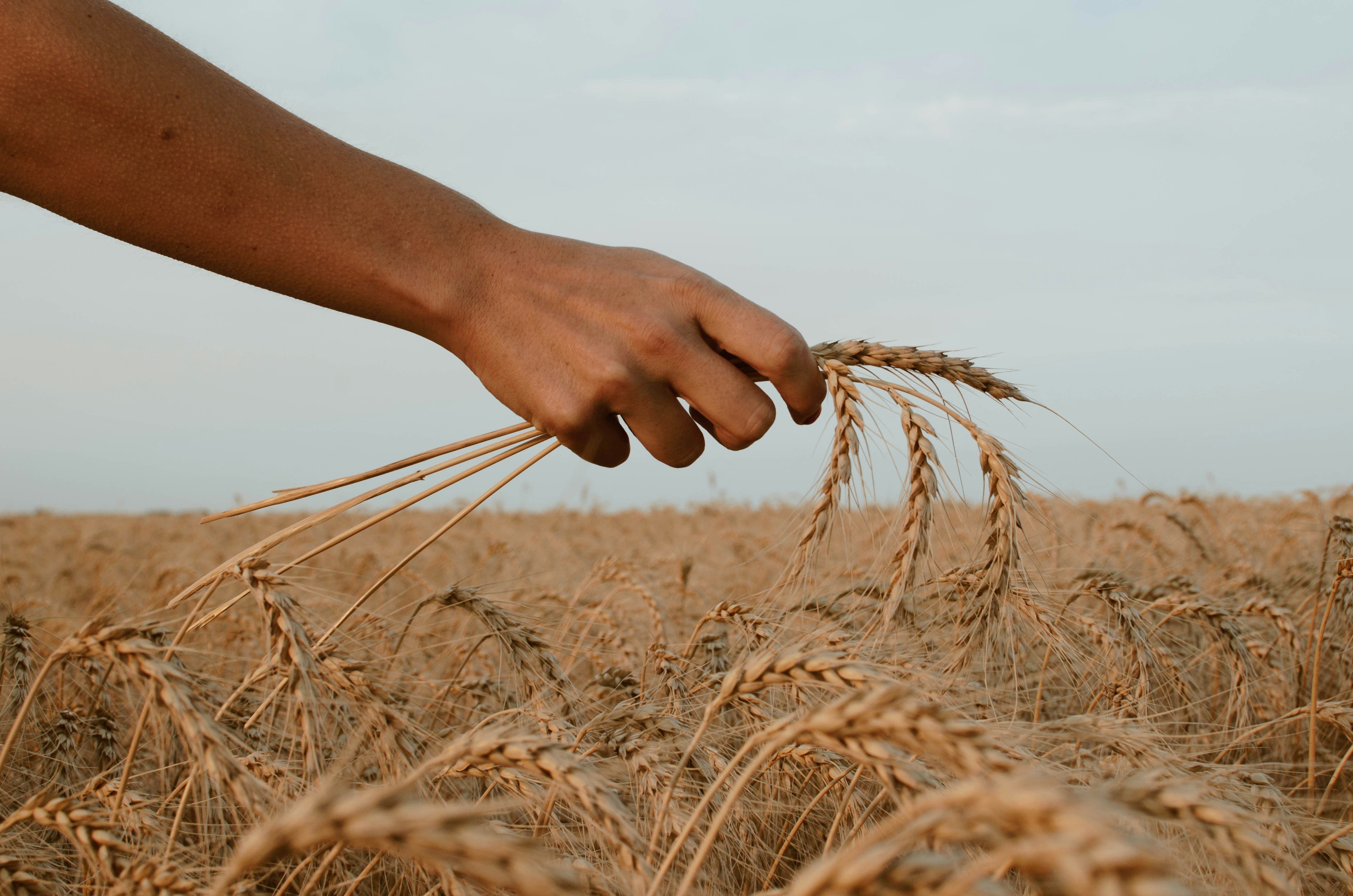
Photo by Paz Arando on Unsplash
But when he stood right in front of me, forcing me to stop my work and look up at him, he was smiling. This eased my fears a little. And then he spoke words of kindness. Unbelievably, he not only allowed me to keep what I had gleaned, but he insisted that I stay in his own fields that day, and that I return to work on his land. He said I could work with the other women in his field, sticking close to them to gather what I needed. He even told me that he had left instructions with his hired hands to respect me, to keep an eye out for me, and allow me to glean as much as I could carry.
He could have done many things – spoke to me harshly, railed at me for taking money out of his pocket by taking grain he’d grown in his own field, or insisted that I was someone else’s problem and would have to find another place to gather food. But instead, he welcomed me to keep on working on his land. He was, I knew on that day, a righteous, kind man.
And it wasn’t until later, as I came to work in these fields day after day and I learned how things actually worked, that I discovered he’d given me a bigger gift than I realized on that first day.
Everything in this place is unfamiliar to me. I am reminded constantly of all the ways that I am different, from the way that I look to the way that I speak. And what I didn’t know that morning when I first went to gather grain in this random field was that when I’d gone and spoken to the foreman and then gotten to work picking up the grain behind the harvesters, I was actually breaking the rules that everyone (else) knew about gleaning. Gleaners follow behind the workers of the field, but only after the grain has been cut and then bundled together and removed to the threshing room. Only then do those who want to glean – those like me – come into the field and pick up the scraps.
I’d jumped the line. I went behind the harvesters, before the bundles were gathered. That is why the women behind me were giving me the stink eye – I was taking stalks of grain from somewhere I had no right to be. I thought the foreman had given me permission when I spoke to him, but his grunted reply was actually more like he was saying, “well, it’s your funeral.” He thought that everyone else would put me in my place, take me down a notch or two. Not to mention that gleaners themselves are all roughly as down on their luck as Naomi and me – they could be territorial, aggressive, or even just hungrier. Things could get rough in those fields. And I had no idea of any of that – I just kept at it, naively picking up stalk after stalk, filling my bundle ever fuller.
But Boaz didn’t treat me as a grubby outsider, as greedy, or as a thief. He didn’t even make me aware of the error that I’d made that day – he simply gave me instructions to come back, to stick close to the other women in the field, and to ensure that I would have a chance to take enough food that I could feed Naomi and myself.
When I got up my courage to ask him why he was being so kind to me, he told me that he’d heard about my commitment to Naomi. Naomi’s husband had been a relative of his. And because I was kind to Naomi, he said, he would be kind to me.
And his kindness didn’t end there. Near the middle of the day, when the sun was the hottest, Boaz and his harvesters sat down to share a meal. And he invited me to come and to eat with them. He offered until I ate my fill. And then, when I’d had all I needed, I saw the abundance of food still left in front of me. Quickly, hoping he wouldn’t notice (though I later learned that he’d likely done it on purpose – not too much escaped his careful eye), I bundled what was left over and squirreled it away to bring home for Naomi that night. Then I got back on my feet and got back to work. But he invited me to drink whenever I needed from the water he had set aside for his harvesters. That afternoon seemed to pass quickly, as I went over again in my mind the lunch I’d shared with Boaz – this powerful man who chosen also to be kind.
I must have been a sight as a wrestled that huge bundle of grain that I collected and then threshed that day. I still had no idea of how incredible that first day of gleaning was, not until I saw the look on Naomi’s face when I lugged my bulging bundle into the house. It was then that I began to clue in that this haul was far from normal. Naomi’s eyes got even wider when I pulled out the final, unexpected grace-note – the leftovers of the lunch Boaz shared with me. We could sit down to eat right then and there, and Naomi didn’t have to cook! Later, she did the math and told me that I’d managed to bring home the equivalent of half a month’s wages worth of grain on that single day!
And this moment of abundance stirred something in Naomi, something I hadn’t seen in her in a long time. She said to me,
“Why, God bless that Man! God hasn’t quite walked out on us after all! [God] still loves us, in bad times as well as good!”1
She began to see that perhaps God hadn’t abandoned her after all. And then Naomi told me that Boaz was a relative of her late husband, someone who could help and protect us.
I had no idea what drew me to that particular field that day. It seemed to me to be sheer chance that I’d walked into the field of a kind man, who was also one of Naomi’s kin.
But perhaps it wasn’t chance after all. Perhaps there are unseen fingerprints all over this story.
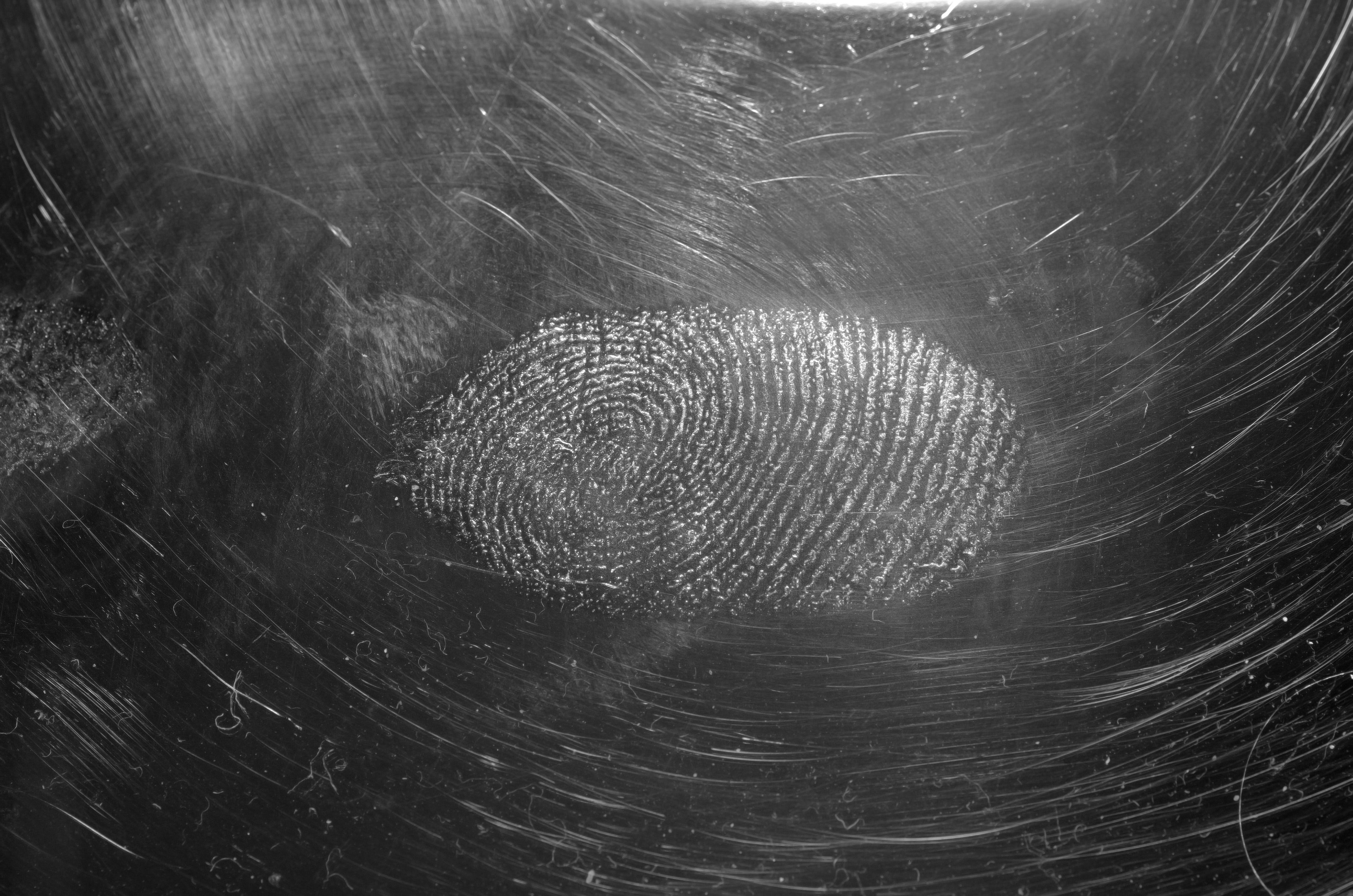
Photo by Immo Wegmann on Unsplash
Ruth 2:20, The Message.